
Folding Rollator
Add a review FollowOverview
-
Sectors Full Time, Permanent
-
Posted Jobs 0
-
Viewed 48
Company Description
See What Rollator With Storage Tricks The Celebs Are Utilizing
Rollator with Storage: A Comprehensive Guide for Independent Mobility
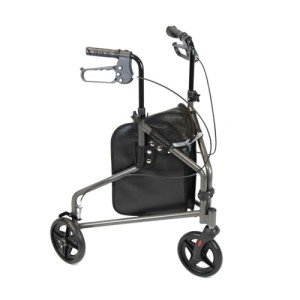
Rollators are mobility aids created to help individuals with walking problems while promoting independence and safety. Unlike standard walkers, rollators come geared up with wheels for simple and easy navigation, making them an important tool for numerous elderly and disabled people. Among the key functions that boost the performance of rollators is storage. This short article explores rollators with integrated storage options, highlighting their benefits, types, and important factors to consider when selecting the right model.
Comprehending Rollators
What is a Rollator?
A rollator is a wheeled Durable Walker that offers support for individuals who might fight with balance or endurance. Typically, rollators are designed with the following functions:
- Wheels: Rollators are equipped with either two or 4 wheels, permitting smooth maneuverability.
- Hand Brakes: Most have hand brakes for added safety, making it possible for users to control their speed.
- Seat: Many designs consist of a built-in seat, providing a resting point when needed.
- Storage: Rollators often include baskets or bags for carrying individual products like water bottles, groceries, or Medical Rollator materials.
Benefits of Using a Rollator with Storage
The addition of storage choices in rollators brings a number of benefits:
- Convenience: Users can quickly transport individual possessions, minimizing the requirement for additional assistance.
- Independence: Having access to necessary products while being mobile empowers people to preserve their independence in various environments, such as supermarket, parks, or homes.
- Safety: By securely storing items, users can more confidently navigate their environments without the threat of dropping valuable items.
- Convenience: Having a seat for resting permits users to take breaks when required, even more improving mobility.
Types of Rollators with Storage
A number of types of rollators come geared up with storage solutions:
| Rollator Type | Description | Ideal for |
|---|---|---|
| Standard Rollator | Normally includes 4 wheels and a sturdy frame. Storage alternatives, like a built-in bag or basket, are frequently consisted of. | General use, outdoors |
| Compact NRS Healthcare Aluminium 4-Wheeled Rollator with Basket | A smaller version that folds quickly for transportation. While these designs often have actually restricted storage, many still consist of minimal functionality. | Tourists and tight spaces |
| Heavy-Duty Rollator | Designed for bigger people, these rollators typically have much better storage capacity. | Larger users, stability requires |
| Rollator with Seat | Features an integrated seat for resting. Storage options differ, typically consisting of baskets or shopping bags. | Those needing regular breaks |
| Walker With Seat-Carrier Combo | Function as both a rollator and a lightweight cart, ideal for shopping trips. | Grocery shopping, outdoor use |
Choosing the Right Rollator with Storage
When picking a rollator with storage, numerous aspects should be considered to guarantee that it fulfills individual requirements.
Key Features to Assess
- Weight Capacity: Always inspect the weight limitation of the rollator to make sure safety and functionality.
- Size and Foldability: Consider how the rollator suits your living space and whether it can be quickly stored or transported.
- Storage Capacity: Assess the size and ease of access of storage compartments. Try to find options that enable for secure storage without frustrating the user with complexity.
- Adjustable Handles: Ensure that the manages can be adapted to the appropriate height to enhance convenience and ergonomics.
- Braking System: A trustworthy braking system is important. Ensure the brakes are easy to engage and disengage.
- Wheel Size and Type: Larger wheels can browse rougher surface, while smaller sized ones might be better for flat surfaces.
Extra Considerations
- Devices: Many rollators have optional devices, such as cup holders or seat cushions, to enhance user experience.
- Guarantee and Support: Investigate whether the manufacturer provides a warranty for flaws or damages.
- User Reviews: Online customer reviews can use important insights into performance and satisfaction.
Maintenance and Care of Rollators
To make sure durability and ideal performance, regular upkeep is vital. Users must consider the following practices:
- Regular Cleaning: Wipe down the frame and components to prevent rust and preserve hygiene.
- Inspect Brakes: Ensure that the brakes are working correctly and adjust them as needed.
- Check Wheels: Regularly check for any debris caught in the wheels or signs of wear and tear.
- Tighten Hardware: Periodically inspect and tighten up screws or bolts to maintain safety.
Often Asked Questions (FAQs)
1. How do I choose the right size rollator for me?
Choosing the right size includes assessing your height and weight, together with checking deal with height modifications to ensure that it appropriates for your stature.
2. Can I use a rollator on unequal terrain?
Yes, some rollators are designed with bigger wheels and shock-absorbing systems that make them more suitable for uneven surface. It’s necessary to inspect the specifications.
3. Is it simple to fold a rollator for transportation?
A lot of modern rollators are created to be quickly foldable. Try to find instructions in the user manual that accompany your picked design.
4. Just how much weight can a common rollator support?
The majority of basic rollators support in between 250 to 350 pounds; nevertheless, sturdy designs can support higher weights.
5. Can I include devices to my rollator?
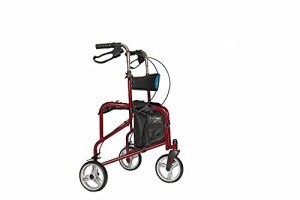
Yes, numerous rollators come with the alternative of including accessories like cup holders, trays, and bags to improve performance.
In summary, a rollator with storage is a valuable mobility aid that empowers individuals while supplying them with the convenience of transferring necessary products. By comprehending the different types, crucial features, and upkeep requirements, users can with confidence pick the ideal rollator that fits their way of life, promoting independence and convenience in day-to-day activities. As mobility aids continue to develop, they become progressively essential for enhancing the quality of life for elderly and disabled individuals.